
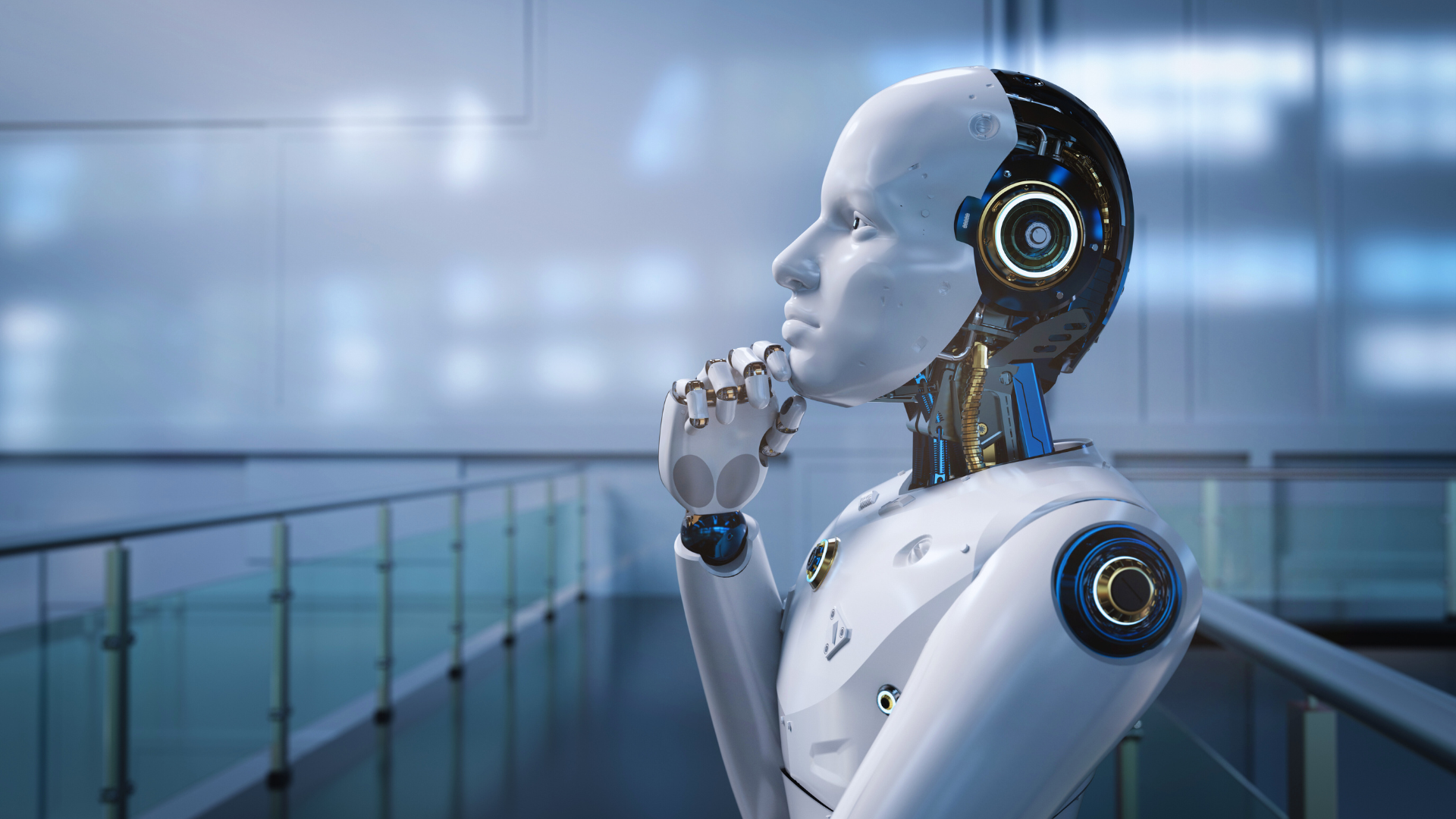
Humanoid robots are becoming a significant presence in consumer technology, transforming the way people interact with machines. They are designed to assist in daily tasks, enhance user experience, and create a more engaging environment. As these robots gain advanced capabilities, their integration into homes and businesses becomes increasingly seamless.
The variety of humanoid robots on the market today showcases this evolution, from personal assistants that manage household activities to interactive companions that provide entertainment and social interaction. Companies are investing heavily in research and development, reflecting a growing consumer interest in robotic technology and its potential benefits.
As humanoid robots continue to advance, they are not just tools but partners in enhancing everyday life. The implications of their rise are vast and invite consumers to rethink their traditional views of technology in their homes and workplaces.
Defining Humanoid Robots and Key Players
Humanoid robots are increasingly prevalent in consumer technology. This section explores what defines these robots, who the key players are in the industry, and how they compare to traditional robotics.
What Are Humanoid Robots?
Humanoid robots are designed to resemble the human body in appearance and behavior. They typically have a torso, head, two arms, and two legs. These robots aim to perform tasks that require human-like physical attributes and cognitive skills.
The functionalities of humanoid robots often include advanced movement, interaction with human environments, and communication capabilities. Examples include Boston Dynamics’ Atlas, known for its agility, and Tesla’s humanoid Optimus, which focuses on assisting with daily tasks. These robots are increasingly being integrated into industries, from healthcare to home assistance.
Leading Companies Shaping Humanoid Robotics
Several companies are at the forefront of humanoid robotics development. Boston Dynamics is widely recognized for creating robots like Atlas, which emphasize mobility and balance. They are noteworthy for their advanced engineering in robotics.
Tesla is also developing humanoid technology with its Optimus robot, intended to assist in mundane tasks. Apptronik and Agility Robotics are notable for focusing on commercial applications and robotics research, advancing capabilities in autonomous movement and task execution.
UBTech specializes in educational and service-oriented humanoids. Figure AI integrates AI into humanoid robots, enhancing their ability to adapt to different tasks. These companies collectively contribute to the evolution of humanoid robots in consumer technology.
Comparison With Traditional Robotics
Humanoid robots differ significantly from traditional robotics, which often focuses on specific, repetitive tasks. Traditional robots are typically designed for industrial use, such as manufacturing parts or packing goods.
In contrast, humanoid robots offer versatility and adaptability. They are developed to navigate complex human environments and interact socially. The integration of AI and machine learning into humanoid designs allows for improved problem-solving and interaction capabilities, setting them apart from conventional robots.
Humanoids are built for human-like interactions, making them suitable for roles in customer service, healthcare, and even companionship.
AI Advances Powering the New Generation of Humanoids
Recent progress in AI technologies has significantly influenced the development of humanoid robots in consumer technology. Key areas include enhancements in physical AI, breakthroughs in computer vision, and the integration of generative AI, which together enhance the functionality and performance of these robots.
Physical AI and the Role of Large Language Models
Physical AI incorporates advanced robotics with AI to create humanoids capable of more natural interactions. Large language models (LLMs), like those developed by OpenAI, enable these robots to understand and generate human language.
This integration allows humanoid robots to engage in meaningful conversations, respond to queries, and learn from interactions.
Frameworks like OpenAI’s provide the linguistic foundation, while robotics platforms enhance physical capabilities. The combination results in machines that can adapt to social environments and assist users effectively.
Breakthroughs in Computer Vision and Perception
Computer vision is crucial for humanoid robots to perceive and navigate their surroundings. Recent advancements in vision systems, particularly using edge AI, allow robots to process data in real-time, enhancing their responsiveness.
Technologies such as NVIDIA’s vision solutions enable robots to detect obstacles and recognize objects, improving safety and functionality.
Algorithms that leverage deep learning enhance object recognition and scene understanding. As a result, robots can interpret visual data more accurately, making them increasingly useful in various consumer applications.
Integration of Generative AI and AI Agents
Generative AI plays a significant role in creating more versatile humanoid robots. It empowers AI agents to generate customized content, enhancing interaction quality.
These capabilities allow robots to create personalized responses and adapt to individual user preferences.
By incorporating generative AI, humanoids become not just reactive but proactive, anticipating user needs. This integration leads to smoother interactions and improved user satisfaction, which is vital for widespread acceptance in consumer technology.
Consumer Tech Applications and Industry Impact
Humanoid robots are increasingly integrated into consumer technology, impacting various sectors such as home automation, manufacturing, and healthcare. Their applications enhance efficiency and convenience, presenting unique benefits to businesses and consumers alike.
Everyday Use Cases and Home Integration
Humanoid robots are now common in household settings, performing multiple tasks. These robots assist with cleaning, cooking, and monitoring home security. For instance, devices like robotic vacuum cleaners can learn layouts and adjust schedules for autonomous cleaning.
Smart voice-activated assistants also facilitate interaction with connected devices, controlling lights, thermostats, and appliances through verbal commands. Integration with home automation systems enables robots to act as hubs, improving user efficiency.
The use of socially engaging robots enhances companionship for the elderly, providing emotional support and reminders for medication and appointments. Increased familiarity with robots is likely to drive more expansive adoption in daily life.
Manufacturing, Logistics, and Automation
In manufacturing, humanoid robots are streamlining production processes and enhancing workforce efficiency. Robotics in assembly lines can perform repetitive tasks with precision, reducing human error and increasing output.
Robots like collaborative robots, or cobots, work alongside human workers, sharing tasks and improving safety on the floor. They can adapt to different roles, making them ideal for industries with fluctuating demand.
In logistics, humanoid robots assist in inventory management and order fulfillment. Their ability to navigate complex environments enables efficient movement of goods. Companies report reduced operational costs and enhanced productivity when integrating these systems.
Healthcare and Service Robotics
In healthcare, humanoid robots provide support in patient care and service roles. They can assist nurses by delivering medication, transporting supplies, and monitoring patient vitals, thus allowing healthcare professionals to focus on direct patient care.
Robots equipped with artificial intelligence can engage with patients, providing companionship and reducing feelings of loneliness. This is especially beneficial in senior care facilities.
Further, service robots are increasingly used in hospitals for tasks like sterilization and logistics management. Their application in medical environments highlights the growing trend of robotics enhancing operational efficiency while improving patient experiences.
Challenges and Future Outlook for Humanoid Robots
Humanoid robots face significant hurdles that impact their development and widespread use. Key challenges include technical barriers such as battery life and actuator efficiency, manufacturing costs, and societal adoption concerns.
Technical Barriers: Battery Life, Actuators, and Design
Battery technology remains a crucial challenge for humanoid robots. Current lithium-ion batteries provide limited energy, restricting operational time. Innovations in solid-state batteries could enhance energy density and lifespan, but they are still in development.
Actuators, which translate energy into movement, need improvement in efficiency and responsiveness. Current systems struggle to mimic human-like dexterity. Research into advanced materials and designs could facilitate smoother, more precise movements.
Designs also must balance aesthetics and functionality. Humanoid robots should appeal to consumers while maintaining practical usability and safety. Progress in ergonomics and human-robot interaction will be vital for acceptance.
Cost Reduction and Manufacturing Scale
Manufacturing humanoid robots is expensive, primarily due to advanced materials and intricate components. Each unit’s cost can deter widespread adoption. Economies of scale become essential as companies look to lower production costs through automation and streamlined processes.
3D printing and modular designs are promising avenues that promise to reduce costs. These methods allow for customizable components and faster prototyping. As technology matures, prices may decrease, making humanoid robots more accessible to consumers.
Investment in research and partnerships with established manufacturers might accelerate the scaling process. Collaborations could bring down costs while enhancing quality control.
Adoption, Ethics, and Societal Change
The transition to widespread adoption of humanoid robots is influenced by ethical considerations. Concerns about job displacement, privacy issues, and the use of AI in decision-making are paramount. Addressing these ethical dilemmas is crucial for acceptance.
Public attitudes towards robots play a significant role. Education and transparent communication are necessary to alleviate fears regarding AI capabilities and intentions.
Societal change is inevitable as robots integrate into daily life. Their roles may evolve as tools, companions, or assistants. Anticipating these developments can foster better integration into homes, workplaces, and communities.