
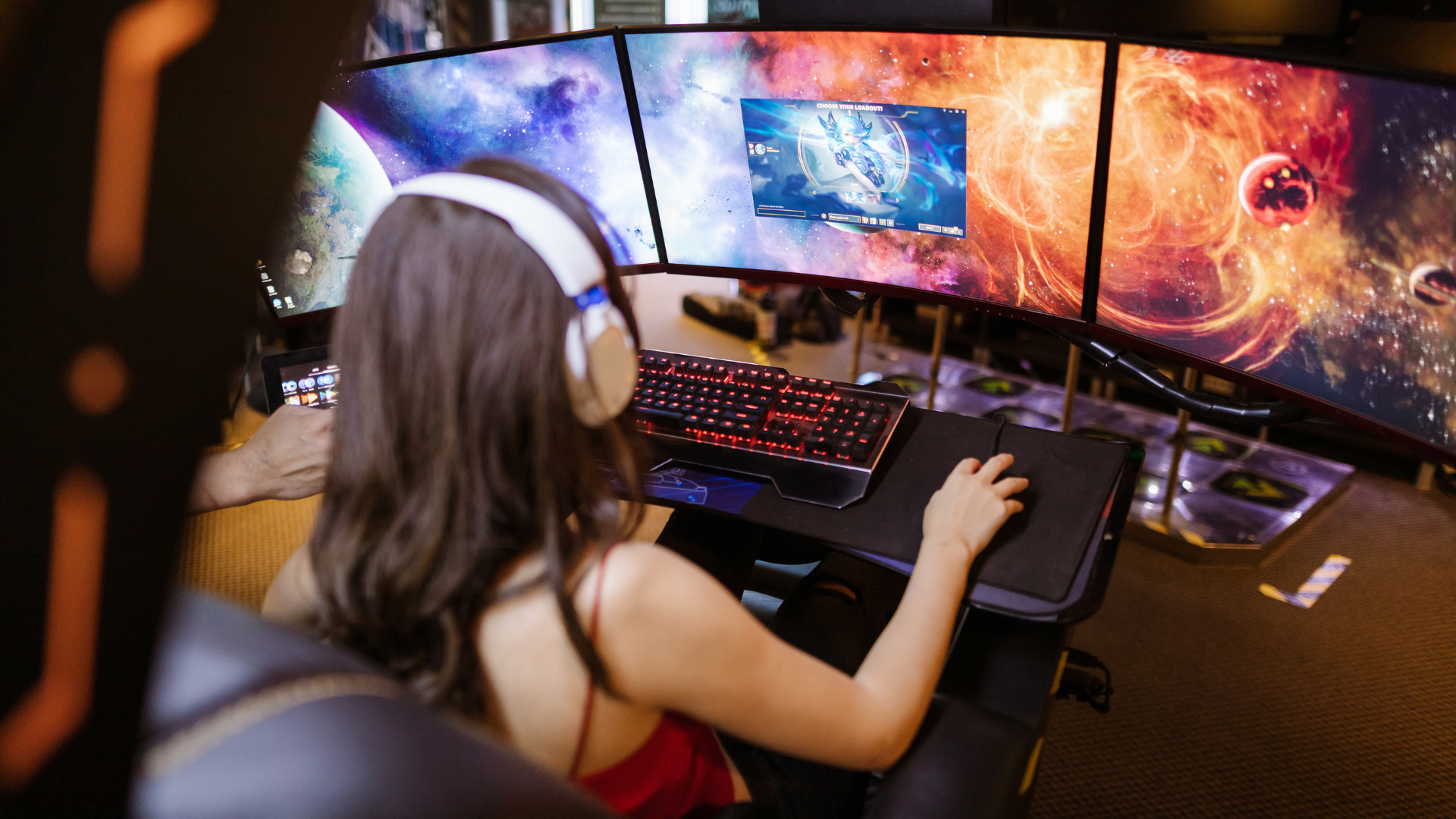
Blockchain technology is reshaping the gaming industry by introducing decentralized systems that ensure transparency, security, and true ownership of in-game assets. Developers and players now benefit from a more equitable environment where digital assets can be bought, sold, and traded without intermediaries. This transformation addresses longstanding issues of fraud and asset retention, creating a new paradigm for engagement and investment in gaming.
The integration of blockchain allows for unique digital collectibles and NFTs, giving players the ability to genuinely own their in-game items. This ownership leads to increased player investment in their gaming experiences, as players can leverage their virtual assets across different platforms and games.
As this technology continues to evolve, it opens doors to innovative gameplay mechanics and economic models that were previously unattainable. By embracing blockchain, the gaming industry stands on the brink of a revolution that could redefine how games are developed, played, and monetized.
Core Transformations Driven by Blockchain in Gaming
Blockchain technology is changing the gaming landscape in significant ways. Key areas of transformation include transparency, security, true ownership of digital assets, and the creation of decentralized ecosystems.
Transparency and Immutability
Blockchain technology ensures a transparent, tamper-proof ledger of all transactions related to games. This feature allows players and developers to verify the authenticity of in-game assets and transactions.
Every change made on the blockchain is recorded immutably, meaning it cannot be altered without the consensus of all parties involved. This promotes fairness and trust among users, reducing the chances of cheating and fraudulent practices.
Players can easily trace the history of their in-game items, enhancing confidence in the value of these assets. By incorporating this level of transparency, game developers can build stronger relationships with their communities.
Enhanced Security and Fraud Prevention
Security is a critical issue in gaming, where fraud and hacking can undermine player experience. Blockchain technology enhances security through cryptographic techniques that protect transactions.
Decentralized networks reduce vulnerabilities associated with centralized systems, making it harder for malicious actors to exploit game mechanics. Players can be more confident in the protection of their accounts and assets.
Additionally, the transparency of the blockchain helps to detect and prevent cheating effectively. Developers can implement smart contracts to enforce rules automatically, ensuring a secure gaming environment.
True Digital Ownership and In-Game Assets
Blockchain introduces the concept of true digital ownership through non-fungible tokens (NFTs). This allows players to own their in-game items, ensuring they can buy, sell, or trade them independently of the game publisher.
NFTs enable unique digital assets that players can prove ownership of, enhancing the value proposition for gamers. Unlike traditional gaming models, where items remain in the publisher’s control, blockchain allows players to retain their investments.
This empowerment leads to an active marketplace for digital assets, cultivating an economy around these items. Game developers benefit too, as they can create new revenue streams through secondary markets.
Decentralization and Autonomous Ecosystems
Decentralization is a fundamental characteristic of blockchain that reshapes game development and gameplay. By removing intermediaries, developers can create ecosystems where players have a direct impact on the game.
Decentralized autonomous organizations (DAOs) allow players to participate in decision-making regarding game updates and community governance. This engagement fosters a sense of ownership and community involvement among players.
In decentralized games, gameplay can be modified through community recommendations, enhancing engagement and satisfaction. This shift from traditional models to decentralized ones creates dynamic gaming experiences that evolve with player input.
New Economic Models and Player Engagement
Blockchain technology introduces innovative economic models that reshape the gaming landscape. These developments enhance player engagement by empowering users with new ways to interact with games and monetize their efforts. Key advancements include play-to-earn models, cryptocurrencies for transactions, and the rise of non-fungible tokens (NFTs).
Play-to-Earn (P2E) and Monetization Opportunities
Play-to-earn models have revolutionized how players engage with games, allowing participants to earn real-world value through gameplay. In these ecosystems, players receive rewards in the form of tokens or cryptocurrencies for completing tasks or achieving milestones.
This model attracts users seeking income opportunities, often drawing large player bases and community participation. It motivates players by rewarding time and skill invested in the game. Popular platforms like Axie Infinity exemplify how P2E can create economic opportunities while ensuring lasting player engagement.
Cryptocurrencies and In-Game Transactions
Cryptocurrencies have become integral to in-game transactions, providing a decentralized means for players to buy, sell, and trade assets. Titles that adopt cryptocurrencies like Bitcoin and Ethereum enhance the fluidity of transactions, minimizing reliance on traditional currencies.
Using digital currencies streamlines payments, reduces transaction costs, and enhances user trust. Players can engage in seamless transactions across platforms, fostering a more dynamic gaming environment. This shift not only increases accessibility but also encourages financial literacy among players as they navigate the in-game economy.
Non-Fungible Tokens (NFTs) and Virtual Asset Markets
Non-fungible tokens (NFTs) have transformed virtual asset ownership, allowing players to truly own unique in-game items. Each NFT represents a distinct digital asset, giving players verifiable ownership of items such as skins, weapons, or virtual real estate.
NFT marketplaces enable players to trade their assets, creating vibrant secondary markets. This transforms the dynamics of player engagement, as rarity and value become intertwined with gameplay. Publishers and developers recognize the significance of NFTs, adapting their models to incentivize players to invest time and resources into acquiring and trading these assets.
Staking and Decentralized Economies
Staking introduces a method for players to earn rewards by locking up their digital assets in games or platforms. This mechanism encourages long-term participation and loyalty, as players receive incentives for their commitment to a game’s economy.
Decentralized economies empower players, giving them a voice in governance and decision-making. This participative approach fosters stronger communities and enhances player engagement. As these economies evolve, they present new ways for players to contribute to and benefit from the game’s ecosystem, creating a more rewarding experience for all involved.
Emerging Trends and Future Directions
Blockchain technology is creating significant shifts in the gaming industry. This transformation is evident through its integration with the metaverse and technological advancements that enhance user experience.
Integration With the Metaverse
The merging of blockchain with the metaverse is reshaping how players interact in digital environments. Game developers are creating virtual worlds where players can own, trade, and monetize in-game assets securely through NFTs (Non-Fungible Tokens).
Key Benefits:
- Ownership: Players have true ownership of assets, allowing them to trade or sell items outside of the game context.
- Interoperability: Games within the metaverse can share assets, leading to a seamless experience across different platforms.
The implementation of AR and VR within these worlds further enriches gameplay, making it more immersive and engaging. This convergence is paving the way for innovative social interactions and new business models.
Technological Advancements Enhancing User Experience
Recent advancements in blockchain technology are significantly improving user experiences in gaming. Enhanced security through decentralized networks ensures a protected environment for transactions and interactions.
Noteworthy Developments:
- Smart Contracts: These automate processes like item transfers, reducing downtime and increasing trust.
- Lower Fees: Blockchain can reduce transaction fees, making microtransactions more feasible for both players and developers.
Furthermore, the incorporation of VR and AR technologies is providing dynamic experiences that draw players into deeper gameplay. These advancements are setting new standards for engagement, accessibility, and creativity in the gaming industry.