
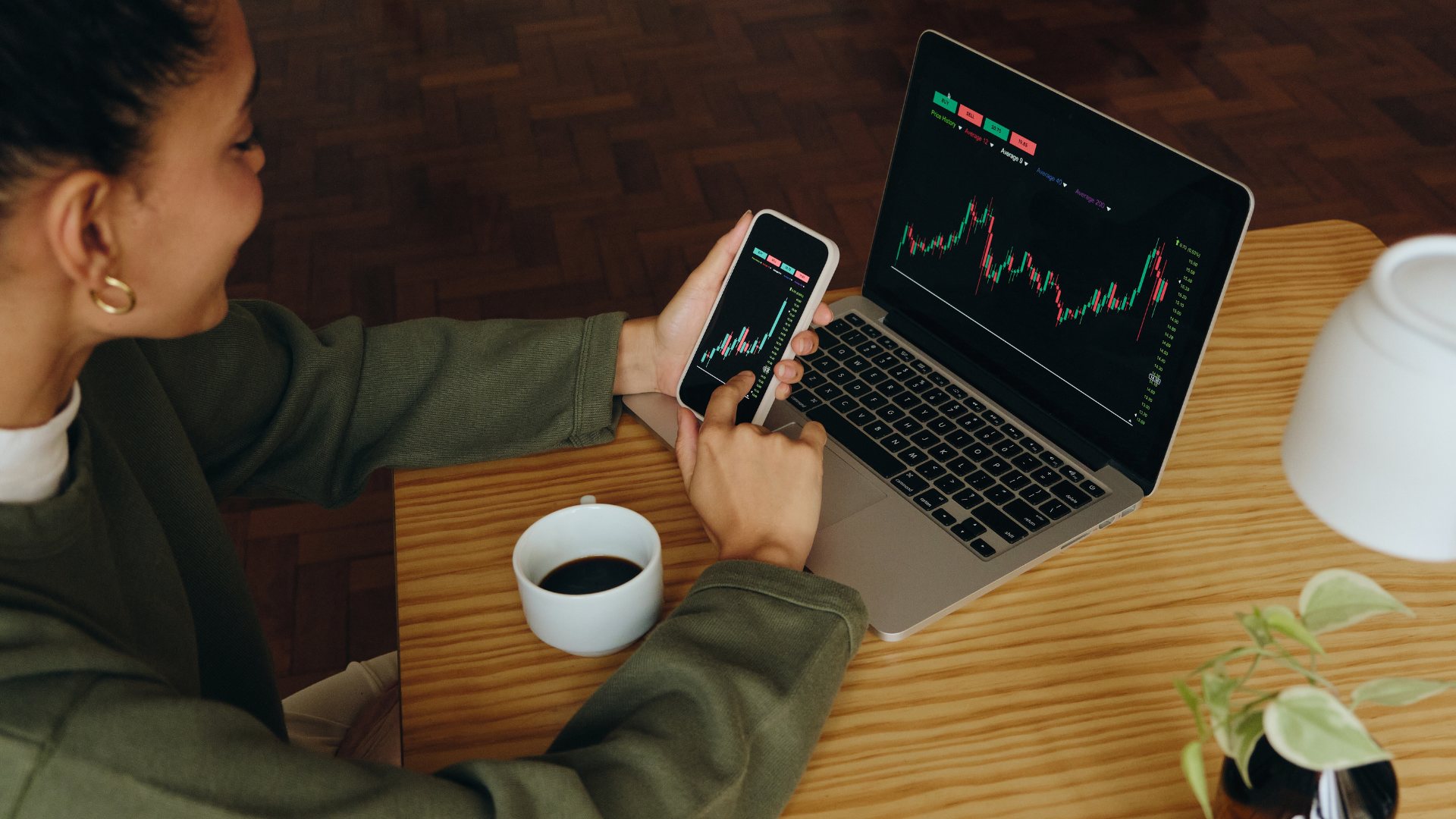
Managing a cryptocurrency portfolio can be challenging, especially with the constant fluctuations in the market. Fortunately, there are several apps designed to simplify crypto portfolio management, enabling users to track their investments efficiently. These tools help users monitor price movements, assess portfolio performance, and receive alerts, making informed decisions easier.
The rise of cryptocurrencies has led to an increase in the number of apps available for tracking portfolios. Many of these apps not only provide real-time data but also offer features like analytics and research resources. This variety allows individual investors and traders to choose tools that best fit their needs.
Exploring the best options can greatly enhance the experience for crypto investors. From user-friendly interfaces to advanced tracking capabilities, the right app can provide essential insights to manage a diverse crypto portfolio effectively.
Key Features to Look For in Crypto Portfolio Management Apps
When selecting a crypto portfolio management app, certain features are essential to enhance the user experience and facilitate effective tracking. The following points highlight crucial aspects to consider.
User-Friendly Interface
A user-friendly interface is critical for any crypto portfolio management app. It should be intuitive, allowing users to navigate between features effortlessly.
Key elements of a good interface include:
- Clear Navigation: Easy access to features such as analytics, transaction history, and settings.
- Visual Clarity: A clean design with appropriate use of colors and fonts to minimize strain.
- Customization Options: Allows users to tailor their dashboards for quick access to relevant data.
Having these elements ensures that both beginners and experienced users can manage their portfolios efficiently.
Comprehensive Analytics and Tracking
Robust analytics and tracking capabilities are vital for managing a crypto portfolio effectively. Users benefit from tools that provide in-depth analysis of market trends and performance metrics.
Important features include:
- Portfolio Performance Overview: Insights into gains, losses, and overall performance metrics.
- Market Trends: Real-time data and charts help users understand price movements and trends.
- Alerts and Notifications: Customizable alerts for price changes, helping users make timely decisions.
These features enable users to make informed decisions and optimize their investment strategies.
Security Measures and Data Protection
Security is paramount when dealing with cryptocurrencies. Users must prioritize apps that implement stringent security measures to protect personal data and funds.
Essential security features include:
- Two-Factor Authentication (2FA): Adds an extra layer of protection by requiring a second form of verification.
- Encryption: Safeguards sensitive data through strong encryption protocols.
- Cold Storage Options: Ensures that a portion of assets is stored offline, reducing vulnerability to hacks.
These security measures instill confidence, allowing users to manage their portfolios without undue concern.
Integration with Crypto Exchanges and Wallets
Integration capabilities with various crypto exchanges and wallets enhance the convenience of managing portfolios. Effective portfolio management apps should support multiple platforms for seamless operation.
Key aspects of integration include:
- Support for Multiple Exchanges: Allows users to connect accounts from different exchanges for consolidated tracking.
- Wallet Compatibility: Integration with popular wallets ensures easy management of assets and transactions.
- API Access: Utilizes APIs for real-time data fetching and execution of trades directly from the app.
Such integrations provide a streamlined experience, enabling users to manage their assets from one platform effectively.
5 Top Apps for Managing Your Crypto Portfolio
Managing a cryptocurrency portfolio effectively requires robust tools. Two standout apps, Coinbase and Binance, offer unique features tailored to different user needs.
Coinbase: Accessible Portfolio Insights
Coinbase is well-known for its user-friendly interface, making it ideal for beginners. Users can easily navigate the app to view their crypto assets, including Bitcoin, Ethereum, and Dogecoin. The platform provides detailed charts and real-time price updates, which help investors track their portfolio’s performance.
Additionally, Coinbase supports a wide range of trading pairs and offers insights into market conditions. Users benefit from features like price alerts, allowing for timely decision-making. For those interested in DeFi, Coinbase also integrates with various decentralized finance projects, simplifying the investing process. Moreover, the mobile app ensures users can manage their assets on the go.
Binance: Advanced Trading Tools and Monitoring
Binance caters to more advanced traders with its comprehensive features. The app is equipped with numerous trading tools, including spot and margin trading options. Users can customize their trading experience, utilizing advanced charting tools that facilitate technical analysis.
The platform offers an extensive selection of crypto assets, allowing access to an impressive array of trading pairs. Additionally, Binance continuously updates its features based on market trends and user feedback, ensuring it remains competitive. The mobile app enables users to monitor their portfolios continuously, making it easier to adapt to changing market conditions. Overall, Binance stands out for those seeking a sophisticated trading environment.
Comparing Crypto Portfolio Apps: Security, Costs, and Usability
Evaluating crypto portfolio apps involves understanding their security features, cost structures, and user experience. These elements are crucial for informed decision-making when managing cryptocurrencies.
Security Features and Wallet Options
Security remains a top priority for users managing crypto portfolios. Many apps offer two-factor authentication (2FA) to add an additional layer of protection. Users should consider whether an app uses custodial or non-custodial wallets.
- Custodial wallets store private keys with a third party, which can ease management but introduces risk if the provider is compromised.
- Non-custodial wallets keep private keys secure on the user’s device, offering greater control and security.
Apps may also support various wallet addresses, enhancing user flexibility. Users should research the specific security protocols each app employs, including encryption methods and incident handling processes.
Fee Structures and Supported Assets
App fees can vary significantly. Users should look for low fees on trades and withdrawals to maximize their investment returns. Typical structures include:
- Percentage-based fees for transactions.
- Flat fees for certain actions.
- Some apps offer zero-fee trading but might compensate with wider spreads.
Supported assets also vary, with some apps covering a wide range of cryptocurrencies and fiat currencies. Users should ensure the app supports their preferred assets and any potential DApps related to those assets to enhance usability.
Customer Support and User Experience
Effective customer support is vital, especially when dealing with asset management. Users often seek apps that provide multiple support channels, such as:
- Email and live chat options.
- Comprehensive FAQs and help resources online.
User experience plays a critical role, so intuitive design is important. Simple navigation enhances the usability of an app, making it easier to track investments. Regular updates and improvements also improve the user experience, ensuring that the platform remains efficient and secure.